
If you play football (soccer) regularly, shin guards aren’t optional—they’re part of your identity on the pitch. OUPOWER’s customization studio is built around one simple idea: “Your Number, Your Home Ground”—shin guards that look instantly recognizable and feel made for you.
In this guide, you’ll learn:
Which base model fits your play style
How to choose carbon fiber vs PBT
Whether ventilated or solid guards suit you best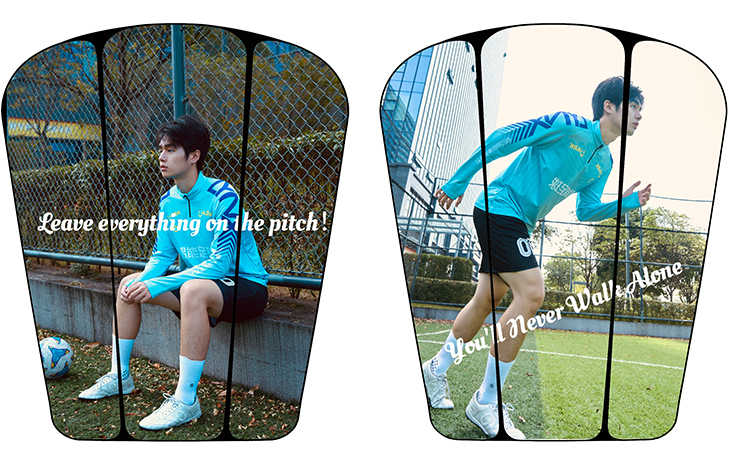
The best custom shin guards start with the right foundation. Before you upload your design, decide what matters most to you:
Lightweight freedom for speed and agility
Higher rigidity for a more “locked-in” feel
Maximum comfort for long sessions
More coverage for tougher challenges
Most players choose their base based on two factors: material and structure.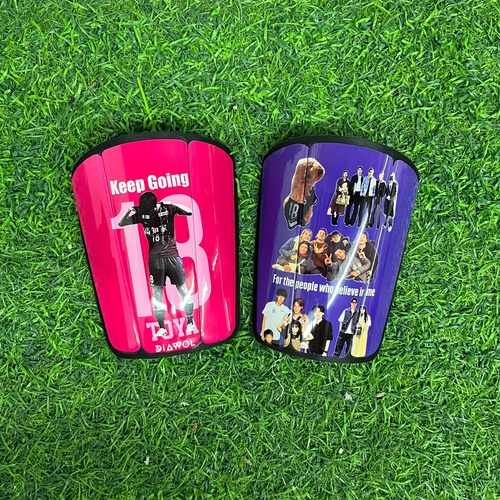
If you like a minimal, fast feel, carbon fiber shin guards are the performance-forward choice. Carbon fiber tends to feel more rigid and responsive, giving a strong “elite” vibe—especially for players who sprint, cut, and accelerate often.
Best for:
Fast wingers and fullbacks
Players who prefer a firm, structured guard
Athletes who want premium lightweight performance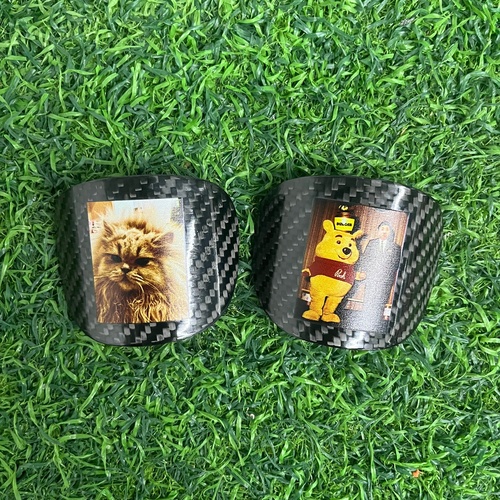
PBT is a high-strength material often chosen for its balance: durable and impact-resistant while staying practical for frequent training. If you want a reliable daily driver with great value, PBT is a strong choice.
Best for:
Frequent training and multi-session weeks
Youth players and developing athletes
Players who want durability without overthinking it
Quick decision:
Want premium lightweight + rigidity → Carbon Fiber
Want tough, balanced, everyday durability → PBT
Keywords supported here: carbon fiber shin guards, PBT shin guards, lightweight shin guards, impact resistant shin guards
Ventilated designs (with holes/perforations) help airflow and can feel noticeably less hot during long sessions. If you train in summer or sweat heavily, this is often the easiest comfort upgrade.
Choose ventilated if:
You play in warm weather
You do long sessions or double-days
You prefer a cooler, drier feel inside socks/sleeves
Solid guards keep the structure dense and continuous. If you prefer a traditional feel—especially for more physical play—solid is the safe, simple choice.
Choose solid if:
You want maximum coverage feel
You play a very physical style
You prefer a classic “no-compromise” structure
Keywords supported here: ventilated shin guards, breathable shin guards, low profile shin guards
A good customization flow should be easy. Here’s the typical process that works best for conversion:
Pick your material (carbon fiber or PBT), then choose the sizing/coverage that fits your league needs and your comfort preference.
Most popular custom elements:
Name + Number (clean, readable)
Team logo / badge
Color theme matching your boots/kit
Artwork (icon, pattern, signature style)
Always preview your design to confirm:
Spelling of name
Number format
Color accuracy
Logo position and clarity
Once confirmed, the design goes into production.
Pro design tips (makes your print look premium):
Use high-contrast text (white on dark, dark on light)
Keep fonts bold and readable from a distance
Upload clean logo files (PNG with transparent background or SVG if possible)
Avoid thin lines that can look less sharp on small surfaces
Keywords supported here: custom shin guards with name and number, custom shin guards with logo, personalized shin pads
If you’re unsure what size to pick, use this simple rule:
Prefer smaller/low-profile if you want speed, flexibility, and minimal feel
Prefer larger coverage if you want more protective presence and visual impact
Helpful checklist:
Does your league require a certain coverage level?
Do you wear shin guard sleeves (recommended for stability)?
Do you like a “barely there” feel or more coverage?
For clubs, schools, academies, and teams, the best-looking set is consistent:
Same layout template for everyone
Unique numbers and names per player
Shared team colors and badge placement
Optional: captain badge or role icon
If you want the “academy pro” look, keep the design minimal and consistent—clean typography always wins.
Keywords supported here: custom shin guards for team, personalized shin guards gift, youth soccer accessories
Even the best shin guards feel wrong if they move. For best stability:
Use shin guard sleeves or tight soccer socks
Align the guard to the shin centerline
Tighten socks/sleeves so the guard doesn’t rotate
If needed, add shin guard straps for extra security
Wipe after training (sweat/salt can degrade comfort over time)
Air dry naturally (avoid high heat)
Store flat to maintain shape
Don’t use harsh chemicals on printed surfaces
