
The upper material of a football boot is a defining factor that shapes its on-pitch performance, wearing comfort and long-term durability. The current market is dominated by four core material categories: kangaroo leather, cow leather, synthetic fibers, and textile fabrics. There is no universal “best” option — each material comes with distinct advantages and tradeoffs, and the right choice also depends on individual wearing preferences. Below we take an in-depth look at the characteristics and differences of each upper type.
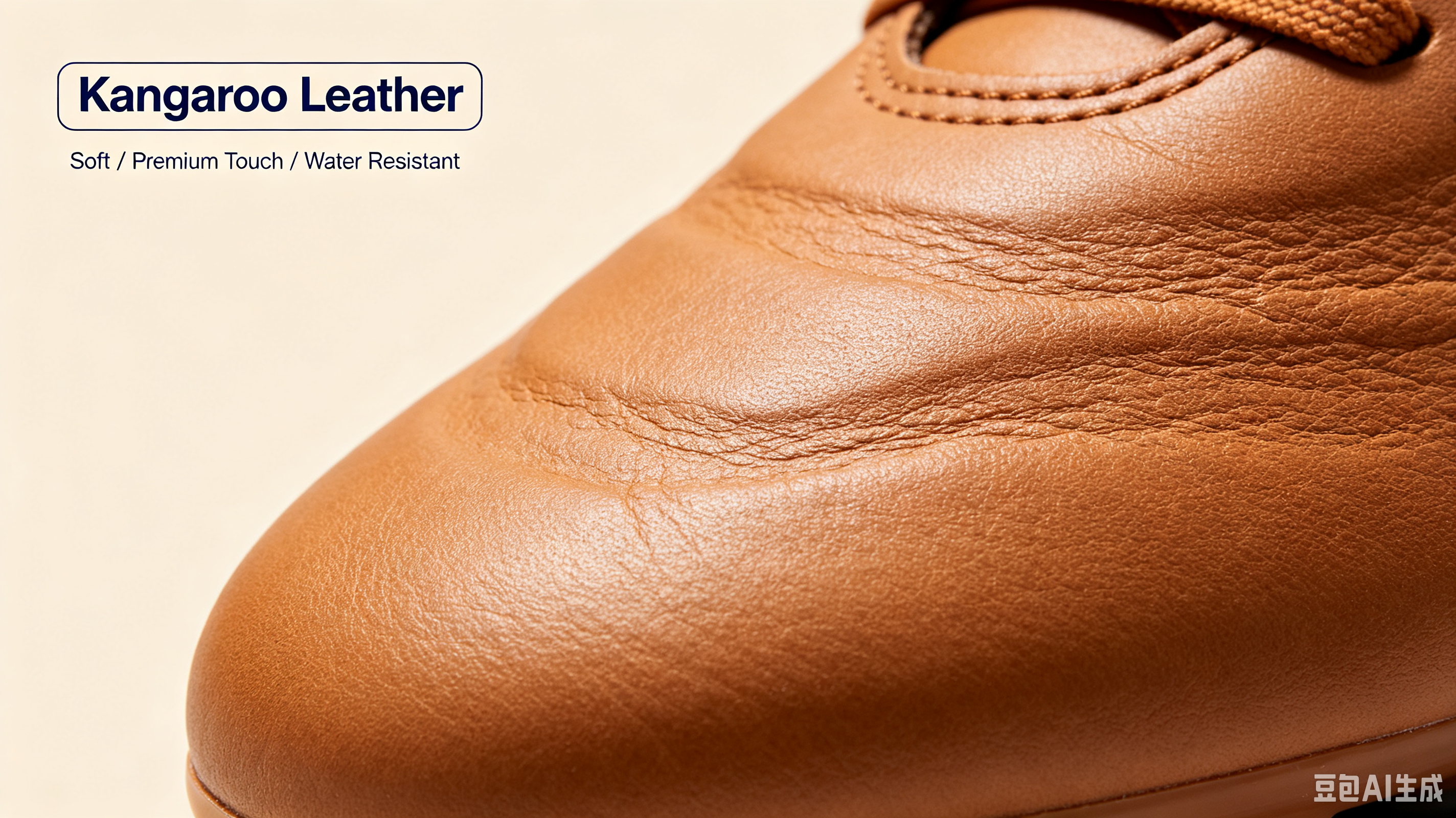
Kangaroo leather has long been regarded as the premium-grade upper material for football boots, synonymous with elite quality and professional-level performance. Soft, lightweight and hard-wearing, with excellent breathability and water resistance, it is widely recognized as the finest natural leather for football footwear. For boots built for high-intensity physical contact, precise ball feel, and reliable all-weather performance, kangaroo leather remains the benchmark.
However, due to the small stature and aggressive nature of kangaroos, their hides naturally carry more scars and blemishes, meaning only a limited portion of each hide is suitable for boot production. Combined with the fact that kangaroo leather is exclusively sourced from Australia, this drives up manufacturing costs and results in a higher retail price. The softness of kangaroo leather also presents tradeoffs: it can deform or overstretch during intense play, which reduces fit consistency and supportive lockdown over time. Additionally, compatibility issues between natural leather and adhesive can make sole delamination a potential risk. When worn in rainy conditions, water absorption can lead to color fading, texture breakdown and accelerated aging.
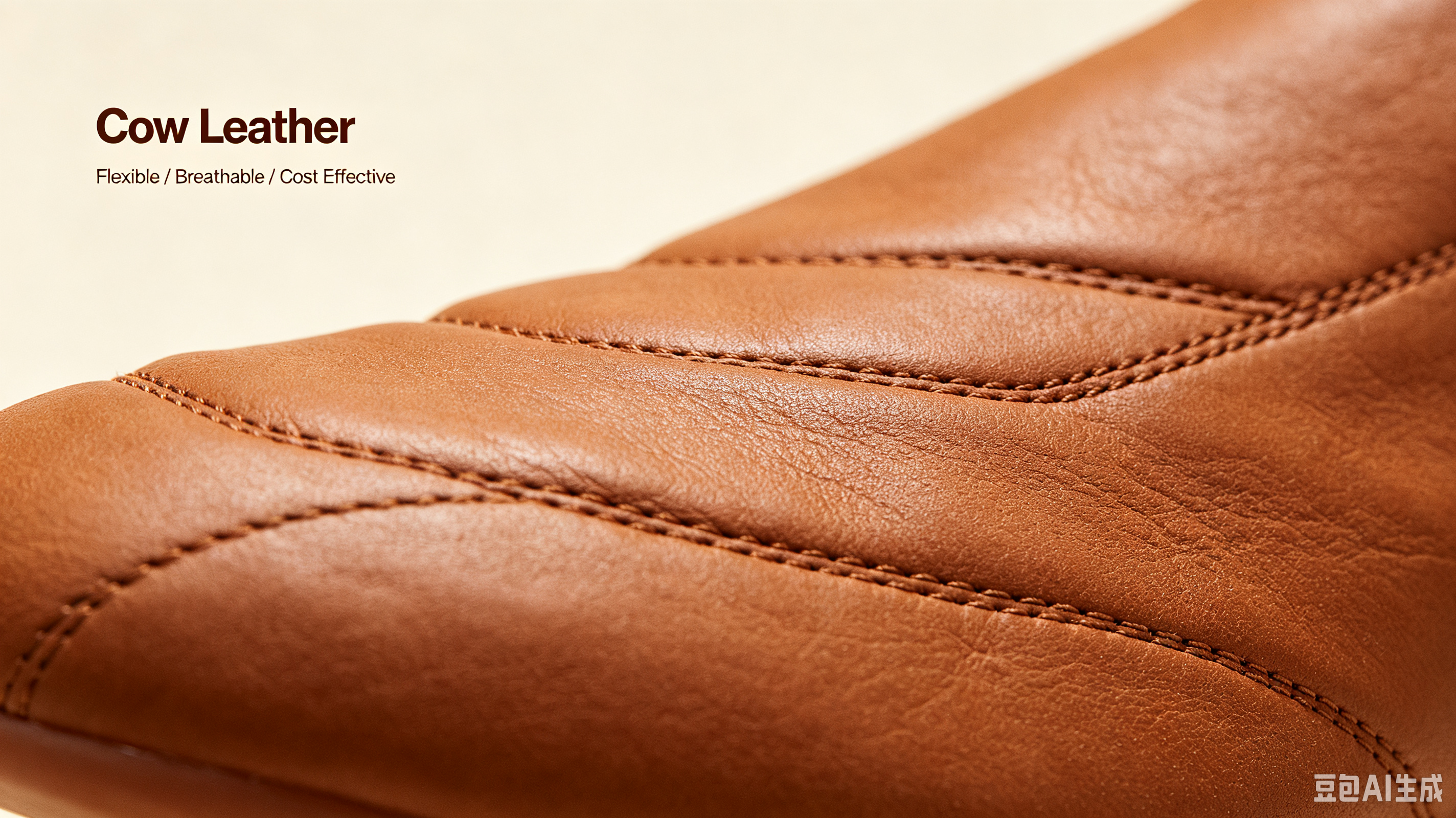
Historically, cow leather was mostly used in non-premium football boots, as it delivers a soft touch and good breathability at a more accessible cost. As kangaroo leather prices have risen sharply, however, many brands have switched to tanned full-grain cowhide or calfskin as an alternative — even for top-tier boot lines. With modern advances in tanning technology, high-grade cow leather can now closely mimic the handfeel and performance of kangaroo leather.
That said, cow leather still lags behind kangaroo leather in terms of toughness and water resistance. These gaps become more noticeable after extended on-pitch use: cow leather uppers are more prone to deformation, surface peeling and loss of structural shape over time.
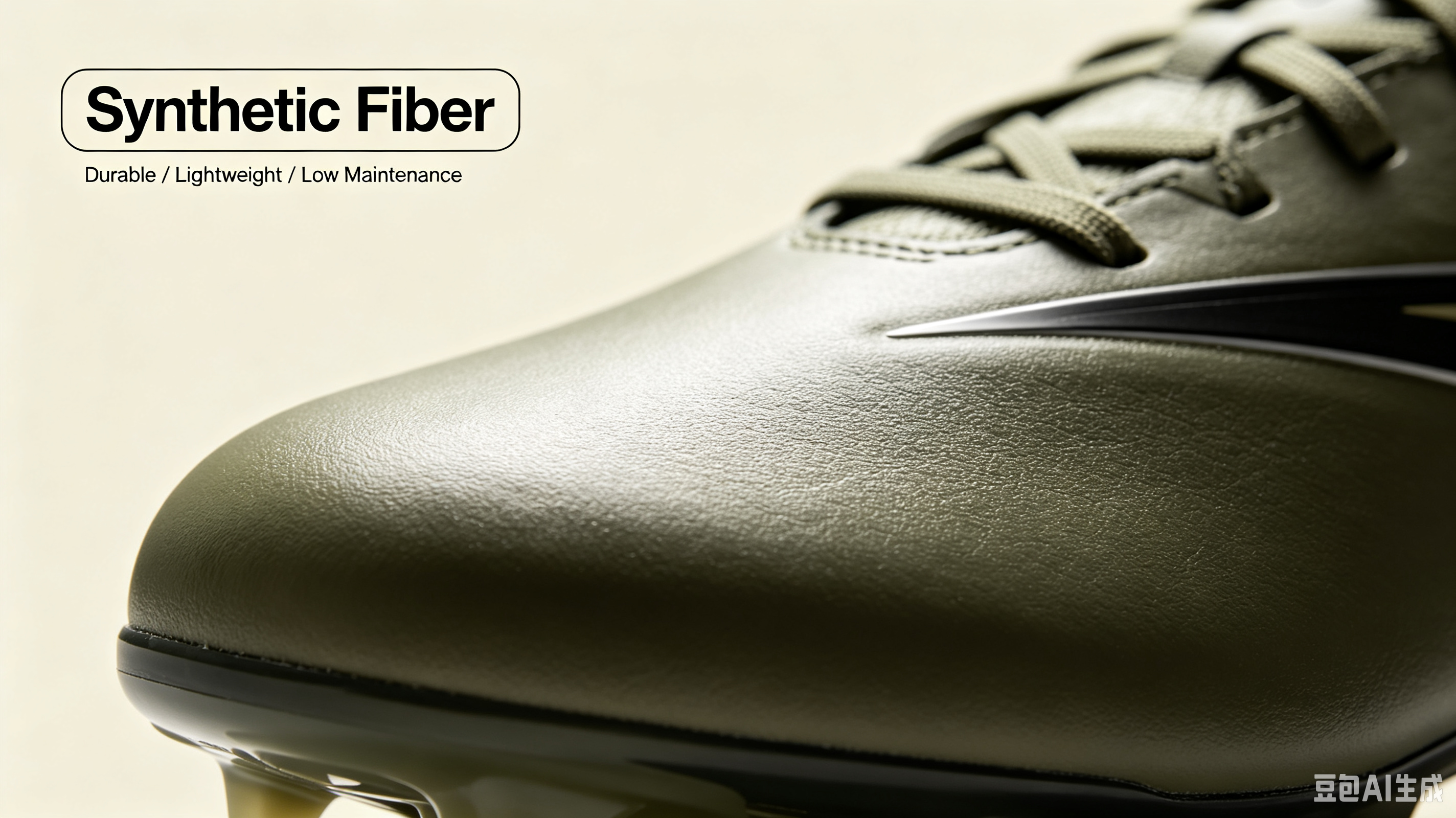
Synthetic fibers were developed to address the inherent limitations of natural leather. While natural leather offers a soft touch, it falls short in power transfer efficiency, holds its shape poorly after heavy use, performs poorly in wet conditions, is prone to delamination, and has limited long-term durability. It is also difficult to integrate intricate patterns, colors, coatings or performance-aiding designs onto natural leather surfaces, as these additions can cause material peeling.
Thanks to advances in material science, modern synthetic fibers can replicate nearly all the benefits of natural leather — and often outperform it in durability and cost efficiency. This trend has made synthetic uppers increasingly dominant in the football boot market. Synthetic fibers span a wide range of quality and performance levels, which determines their position in product tiering: high-grade synthetic leather is commonly referred to as microfiber, while lower-grade alternatives are known as polyurethane (PU) leather. The most common drawback of most synthetic uppers is reduced breathability compared to natural leather.
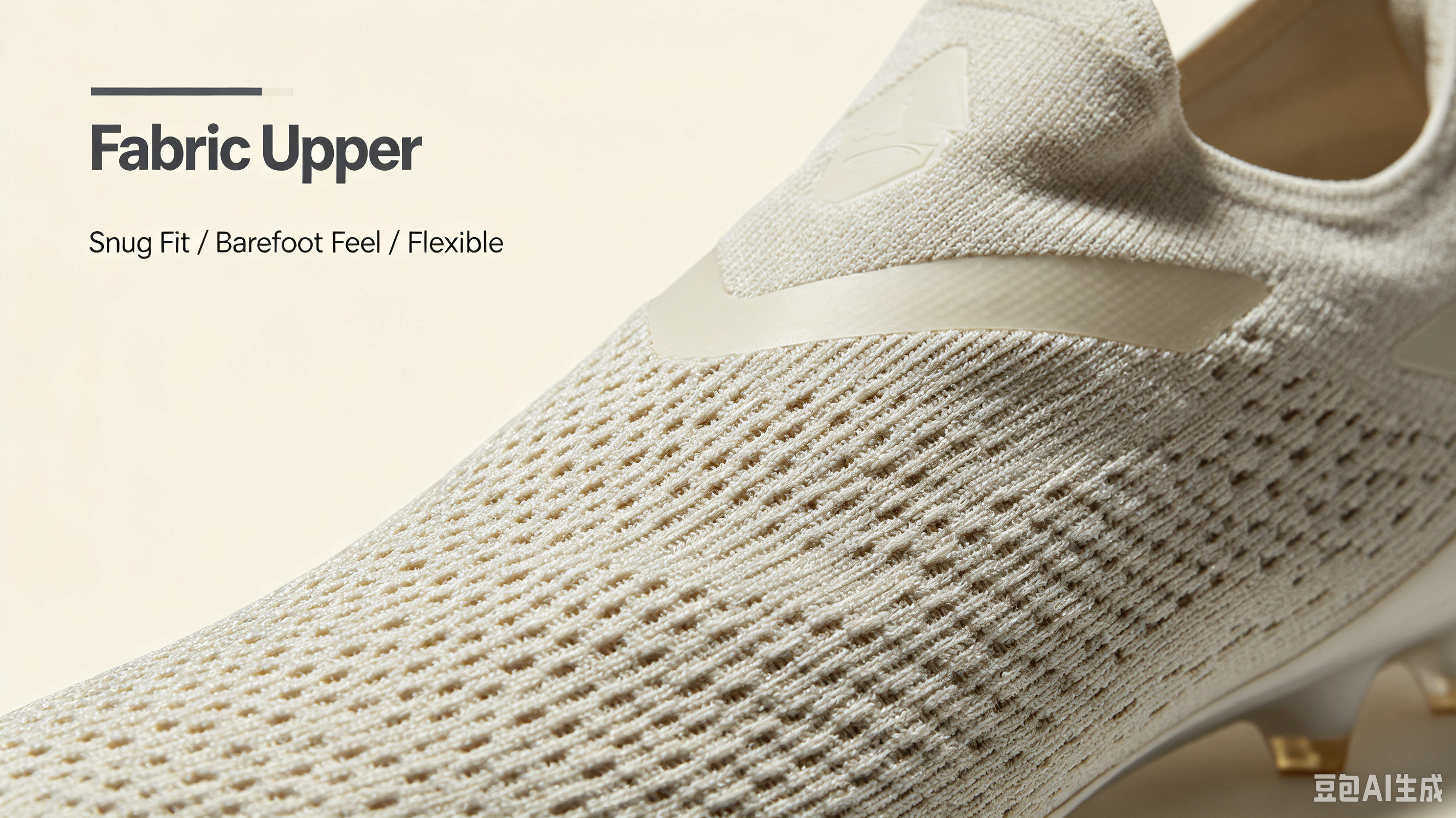
In recent years, textile fabric uppers have emerged as a major industry innovation, designed to deliver the most natural barefoot-like feel for players. The Nike Hypervenom and Magista series are iconic examples of this technology.
At first, many doubted whether fabric could hold up to the high-impact nature of football. But material advancements have made it a viable performance option. The Hypervenom line uses NikeSkin fabric: a unique woven construction creates a textured, 3D surface, which is reinforced with a heat-bonded thermoplastic film to maintain structural integrity. The Magista series went a step further with Flyknit yarn, delivering an ultra-close, sock-like fit while still featuring a protective top film for enhanced durability.
Despite the unmatched barefoot sensation they provide, fabric uppers come with tradeoffs. They typically carry higher manufacturing costs and a higher retail price point. In addition, power transfer and long-term durability are still areas for improvement compared to leather or synthetic uppers. It is also worth noting that some entry-level boots use basic woven fabric materials, which offer inferior lockdown, support, power transfer and durability.

